Skip to content
Our Models
Atlas
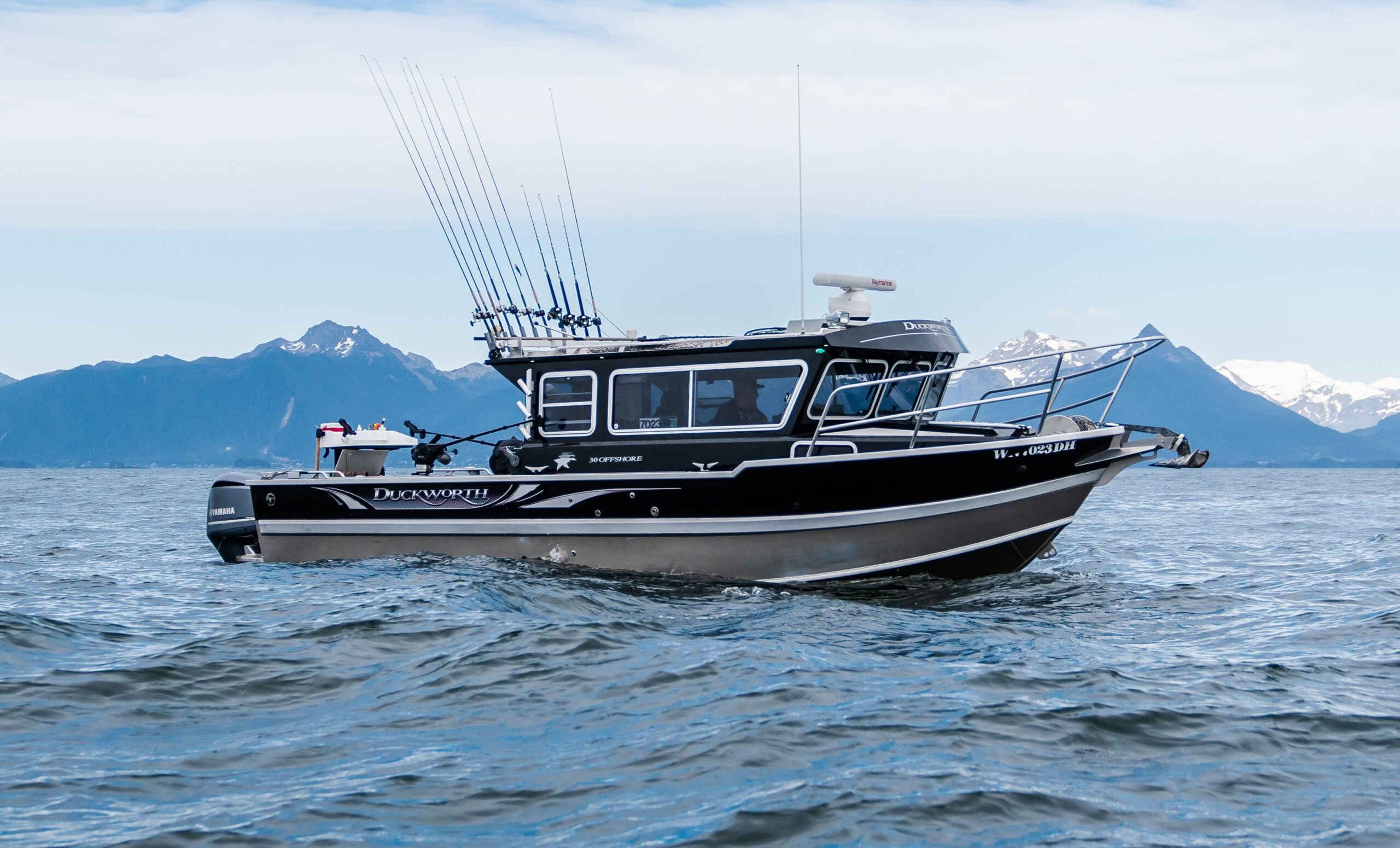
Offshore
Pacific Pro
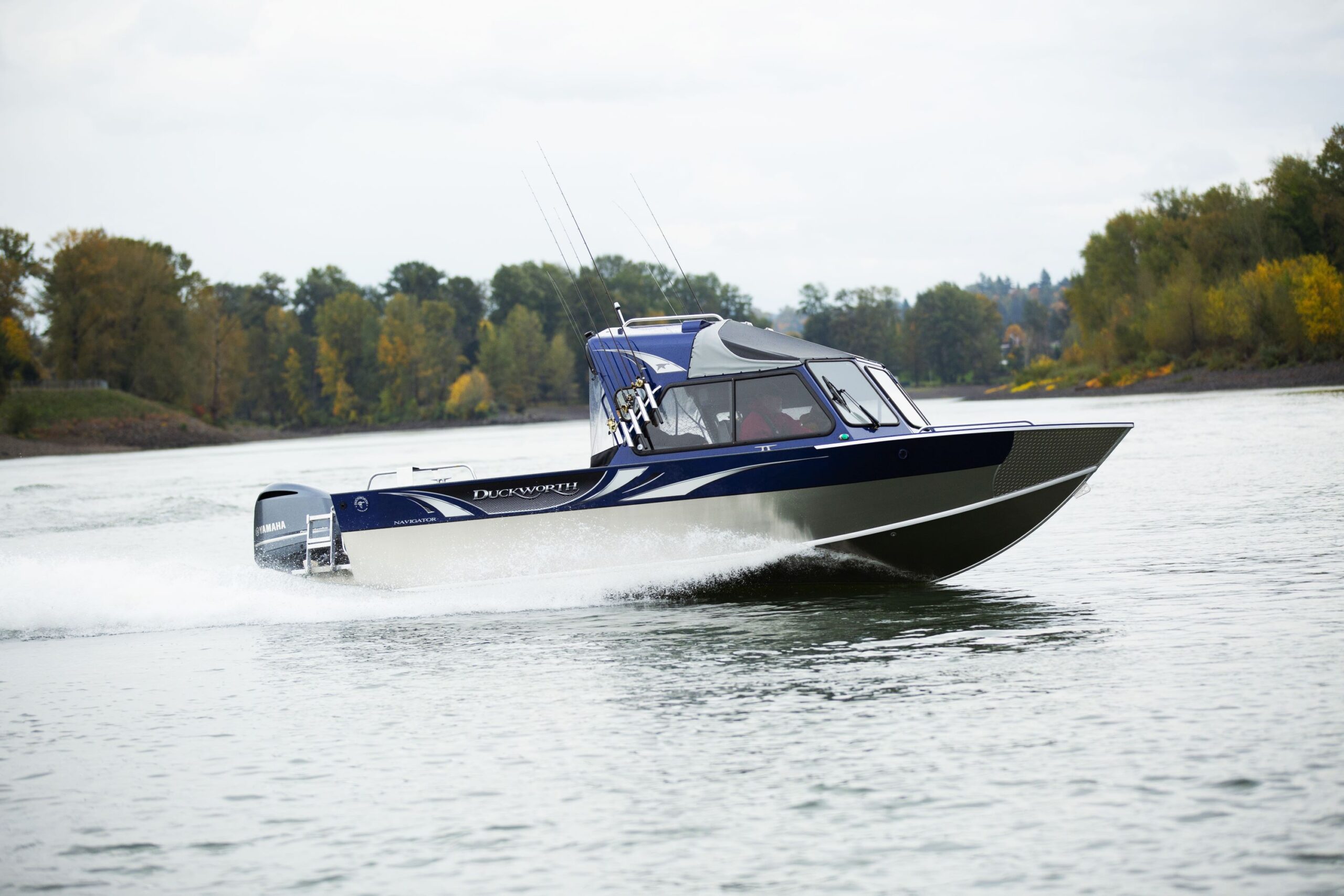
Navigator
Discovery
Advantage
Atlas
Explore More
34 Atlas
(New)
View Specs
Start Building
Offshore
Explore More
30 Offshore XL
View Specs
Start Building
28 Offshore
View Specs
Start Building
26 Offshore
View Specs
Start Building
Pacific Pro
Explore More
26 Pacific Pro
(New)
View Specs
Start Building
24 Pacific Pro
View Specs
Start Building
22 Pacific Pro
View Specs
Start Building
Navigator
Explore More
24 Navigator
View Specs
Start Building
23 Navigator
View Specs
Start Building
22 Navigator
View Specs
Start Building
Discovery
Explore More
21 Discovery
View Specs
Start Building
20 Discovery
View Specs
Start Building
Advantage
Explore More
20 Advantage SE
View Specs
Start Building
20 Advantage Classic
View Specs
Start Building
20 Advantage Access
View Specs
Start Building
20 Advantage
View Specs
Start Building
18 Advantage
View Specs
Start Building
Find a Dealer
Gear
About Us
About Duckworth
Deadrise Defined
Yamaha Power
Boating Resources
Careers
Community
Ambassadors
Legendary Lore Blog
Boat Shows & Events
Video Gallery
Owners Testimonials
Contact
Explore & Build
Legendary Lore
The latest and greatest from your
friends at Duckworth
Catch to Cook: Frying up Fresh Halibut with Duckworth Boats
Read More
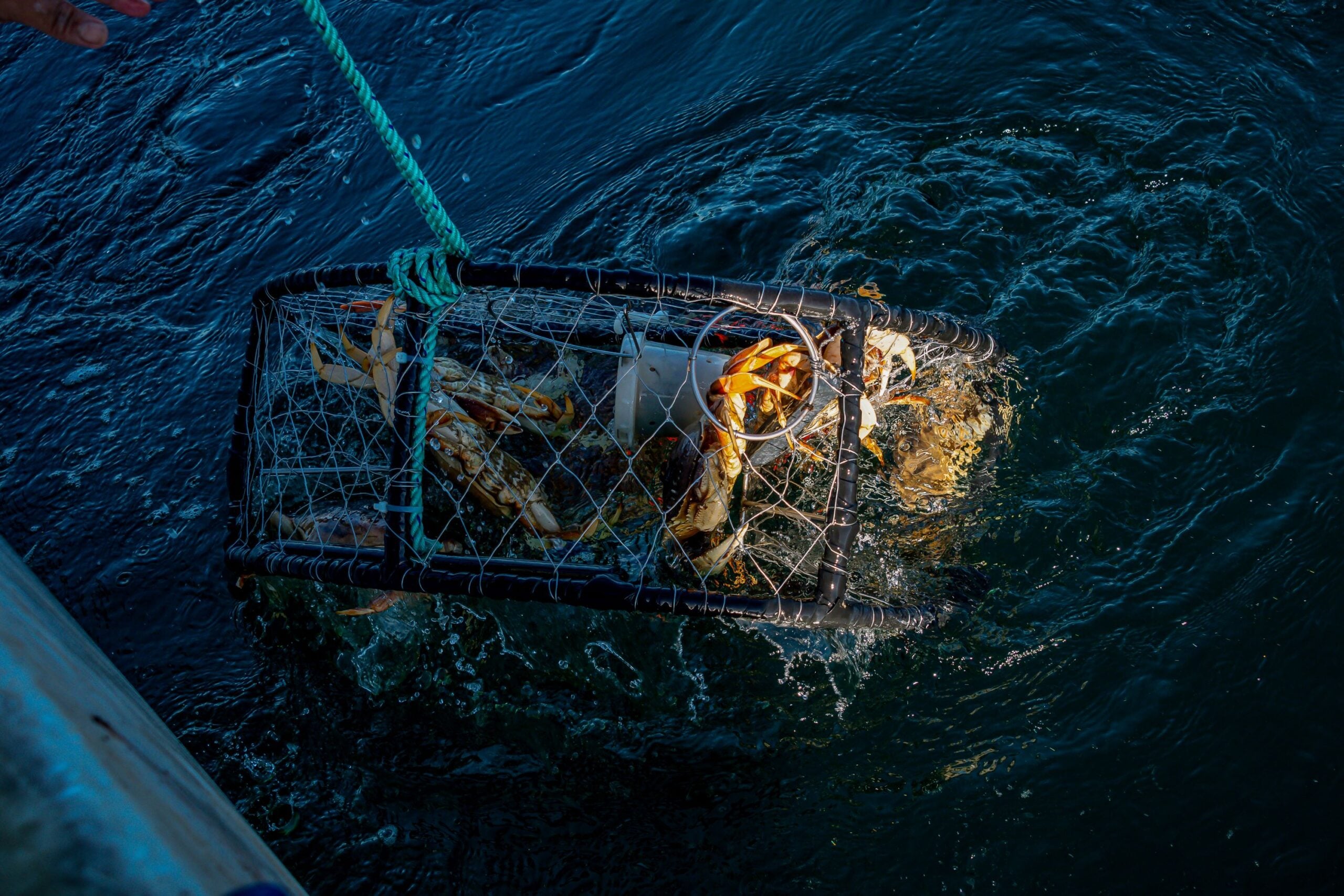
Puget Sound Dungeness Crabbing
Read More
The Advantages of Heavy Gauge All-Welded Aluminum Boats: A Comprehensive Guide
Read More
Navigating Boat Shows: A Guide to Purchasing Your Dream Aluminum Fishing Boat
Read More
Safety First: Preparing for Cold-Weather Boating
Read More
Celebrate National Seafood Month with Albacore Tuna Salad: Sandwiches or Crackers – The Perfect Boat Snack
Read More
Albacore Tuna Offshore Fishing: Conquering the Pacific Ocean’s Prize
Read More
Duckworth 20 Advantage Access
Read More
Boat Ramp Etiquette
Read More
Island Explorer: A Multi-Day Boat Adventure to Desolation Sound with a Duckworth Offshore Boat
Read More
Choosing the Right Life Jacket
Read More
Chasing the Silver Giants: Fishing for Offshore Albacore Tuna off the Oregon Coast
Read More
Savor the Seas: Crafting Smoked Salmon Dip with Duckworth Boats
Read More
An Introduction to Using Garmin Fishfinders, Chartplotters, and Transducers in Your Duckworth
Read More
Boat Trailering 101
Read More
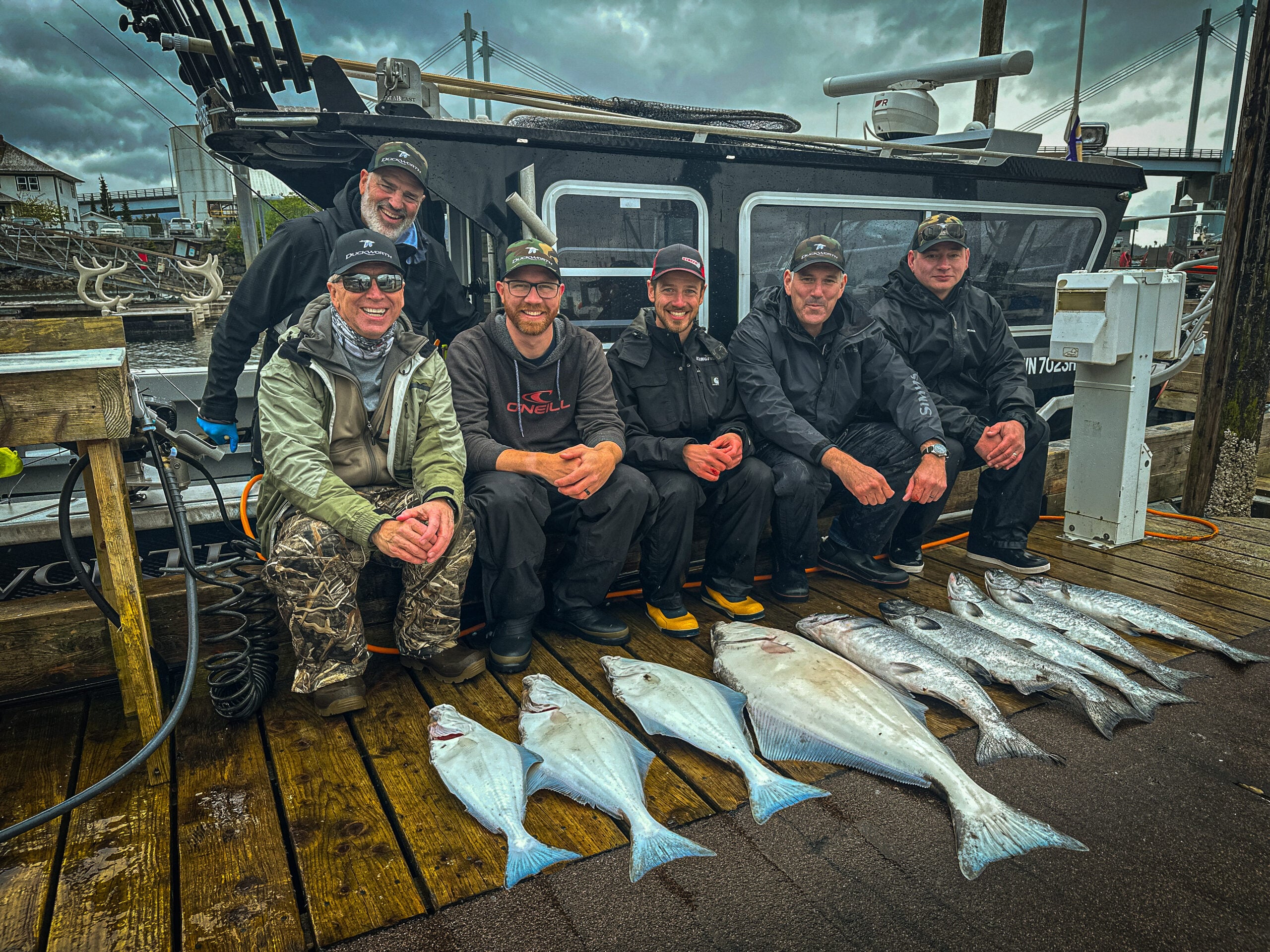
A Thrilling Adventure: Fishing for Halibut from Sitka, Alaska
Read More
Our Complete Lineup
ATLAS
Offshore
Pacific Pro
Navigator
Discovery
Advantage
Our Models
Find a Dealer
Gear
About Us
About Duckworth
Deadrise Defined
Yamaha Power
Boating Resources
Careers
Community
Ambassadors
Legendary Lore Blog
Boat Shows & Events
Video Gallery
Owners Testimonials
Contact
+800-597-9189